How Engaged Communities Build Stronger Neighborhoods
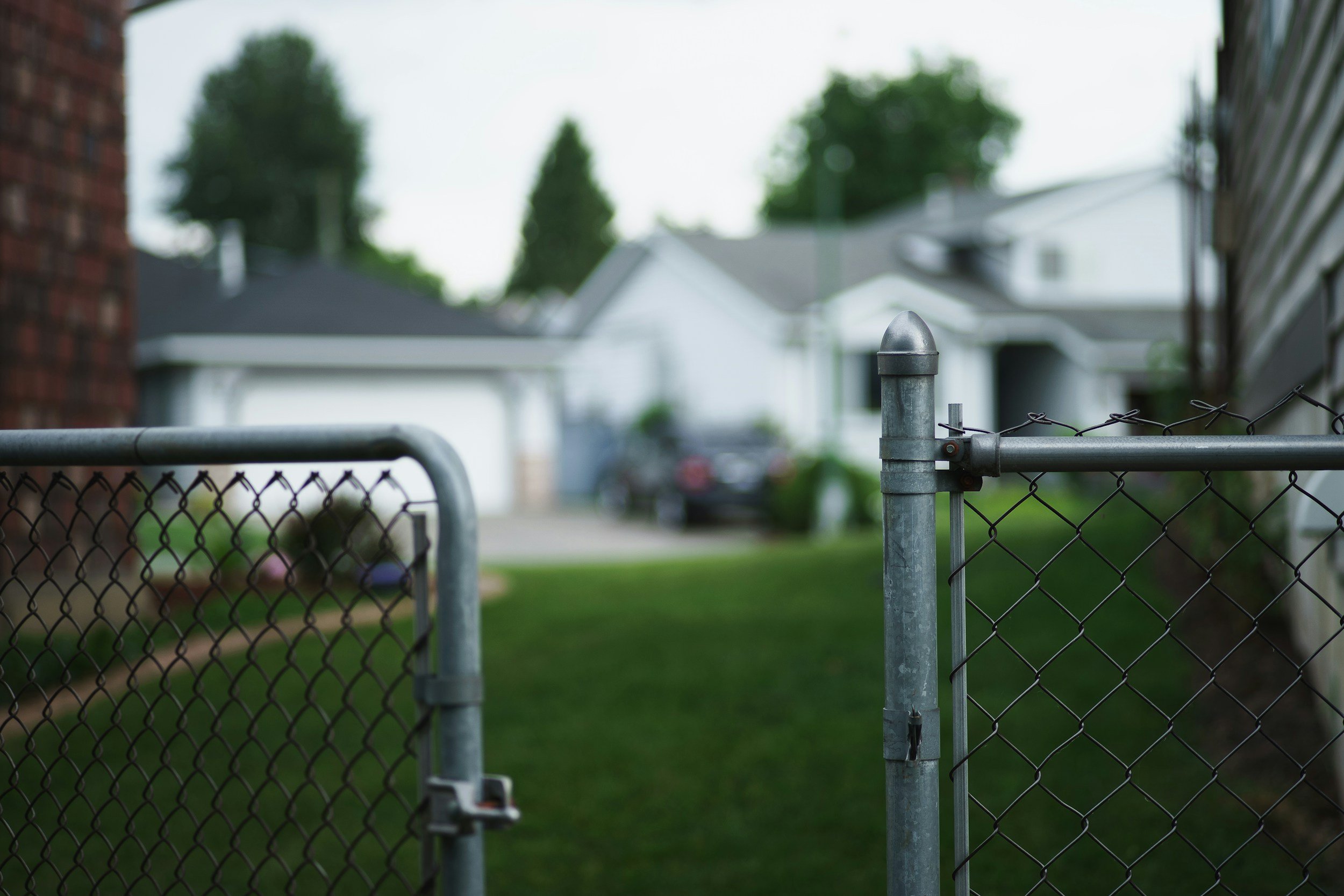
We all know that old saying - good fences make good neighbors. But that’s always been a head scratcher for me because fences create walls and can sometimes stifle community building. Also, anyone who has lived in a neighborhood for any length of time knows the truth is more complicated than that. Good neighbors make good neighborhoods — and good neighborhoods don't happen by accident. They're built, deliberately and collectively, through the everyday choices we make about how we treat the people and places around us.
At the Albany County Land Bank Corporation, our work begins at the intersection of property and community. We see firsthand what happens when neighborhoods, residents, government, and organizations like ours work together with shared purpose. That's why it's worth talking about what good neighborliness actually looks like, both within our communities and at our larger city, town, or village civic level.
Start with the Person Next Door
Most neighbor disputes aren't really about the fence, the noise, or the overgrown hedge. They're about unmet expectations and unspoken communication. These disputes may have been developing for sometime or are preventable by engaging with each other. We can prevent a minor inconvenience or irritation from turning into conflict with some simple approaches.
Talk first, and talk early. It sounds simple, but a friendly conversation — not a letter, not a complaint to Code Enforcement — is almost always the right first move. Most people don't realize their behavior is bothering someone, and most are willing to make reasonable adjustments when asked respectfully. Think about how you may feel being in your neighbor’s shoes and how you would want someone to come to you with their question or concern. Ask how you can work together to both have your needs met.
Assume good faith. Your neighbor who parks blocking part of the driveway, lets their leaves blow into your yard, or plays music late on a Friday probably isn't trying to make your life miserable. They may be in a rush, aren’t aware how much their music can be heard by others, or just missed that they may have done that thing that you find frustrating. Lead with curiosity, not accusation.
Know when to bring in help. When direct conversation doesn't work, community mediation services offer a structured, neutral environment to resolve disputes without court involvement. There are resources in our community for this — it's worth knowing they exist before you need them.
For more serious concerns — property maintenance, code violations, unsafe conditions — use official channels. Code Enforcement exists to ensure a safe built environment - but not to resolve neighbor disputes. If a neighbor's chronically neglected property isn't just an eyesore and affects your property values, your safety, and the character of the entire block and you’re attempts to talk haven’t yielded results, this may be your next and necessary step. Reporting a genuine problem isn't being a bad neighbor. It's being an invested one. But it doesn’t need to be your first step - this should be a first step only where there is a real threat to public safety.
Civic Neighborliness: Show Up Before the Decisions Are Made
Being a good neighbor extends beyond the property line. It reaches into city/town/village hall, the planning board, and every public meeting where decisions are made about the places we live. However, here's the problem: most people only engage with local government when they're already upset — when a development proposal is on the table, when a variance has already been filed, when the decision feels like a done deal. By that point, the options for meaningful input have narrowed considerably.
Good planning principles tell us that early and meaningful public engagement produces better outcomes for everyone — including developers, municipalities, and existing residents. Many communities now require or encourage pre-application community meetings, where a developer or project sponsor sits down with neighbors before a formal application is filed. This isn't just procedural courtesy. It's an opportunity to surface concerns, identify creative solutions, and build the kind of trust that makes implementation smoother.
As a resident, you can take advantage of this by:
Following your municipality's comprehensive planning process. In New York State, municipalities periodically update their comprehensive plans — the long-range blueprints that guide land use, transportation, housing, and economic development. These processes include extensive public comment opportunities, and the resulting plans carry real policy weight. For example, comprehensive plans provide the basis for making decisions about zoning and other land use regulations. When you participate, you proactively help shape the rules of the game for years to come.
Attending and speaking at public hearings. Zoning boards, planning boards, and town and city councils hold regular meetings that are open to the public. You don't need to be an expert. You just need to show up, speak from your experience, and engage constructively. Avoid using these meetings and hearings as places to simply vent your frustration, but come into these meetings and hearings willing to develop solutions that everyone can live with.
Joining or supporting your neighborhood association. Neighborhood associations, community watch groups, and even social media groups help organize a voice for residents — a way to aggregate concerns, share information, and build relationships with local officials before a crisis emerges. They also provide a community anchor when challenges do arise.
Staying informed about land bank and municipal property dispositions in your neighborhood. When vacant or abandoned properties in your community are returned to productive use — whether through the land bank, a municipal sale, or private redevelopment — the early stages are when community input matters most. Ask questions. Attend the meetings. Advocate for outcomes that serve the neighborhood.
The Bigger Picture
Strong neighborhoods aren't maintained by government alone, and they aren't built by any single organization. They're maintained by people who care enough to engage — with their neighbors, with their local institutions, and with the democratic processes that shape the physical places where we live.
At the Land Bank, we believe that every property we return to productive use is a vote of confidence in a neighborhood's future. But those properties succeed in the long run when they're surrounded by engaged, informed, and connected residents.
Be that neighbor. Show up. Speak up. And keep talking to the person next door.
Sean M. Maguire, AICP, CEcD is the Executive Director of the Albany County Land Bank Corporation. The Land Bank works to return vacant and abandoned properties to productive use across Albany County. Learn more at www.albanycountylandbank.org and follow our social media pages for more information.